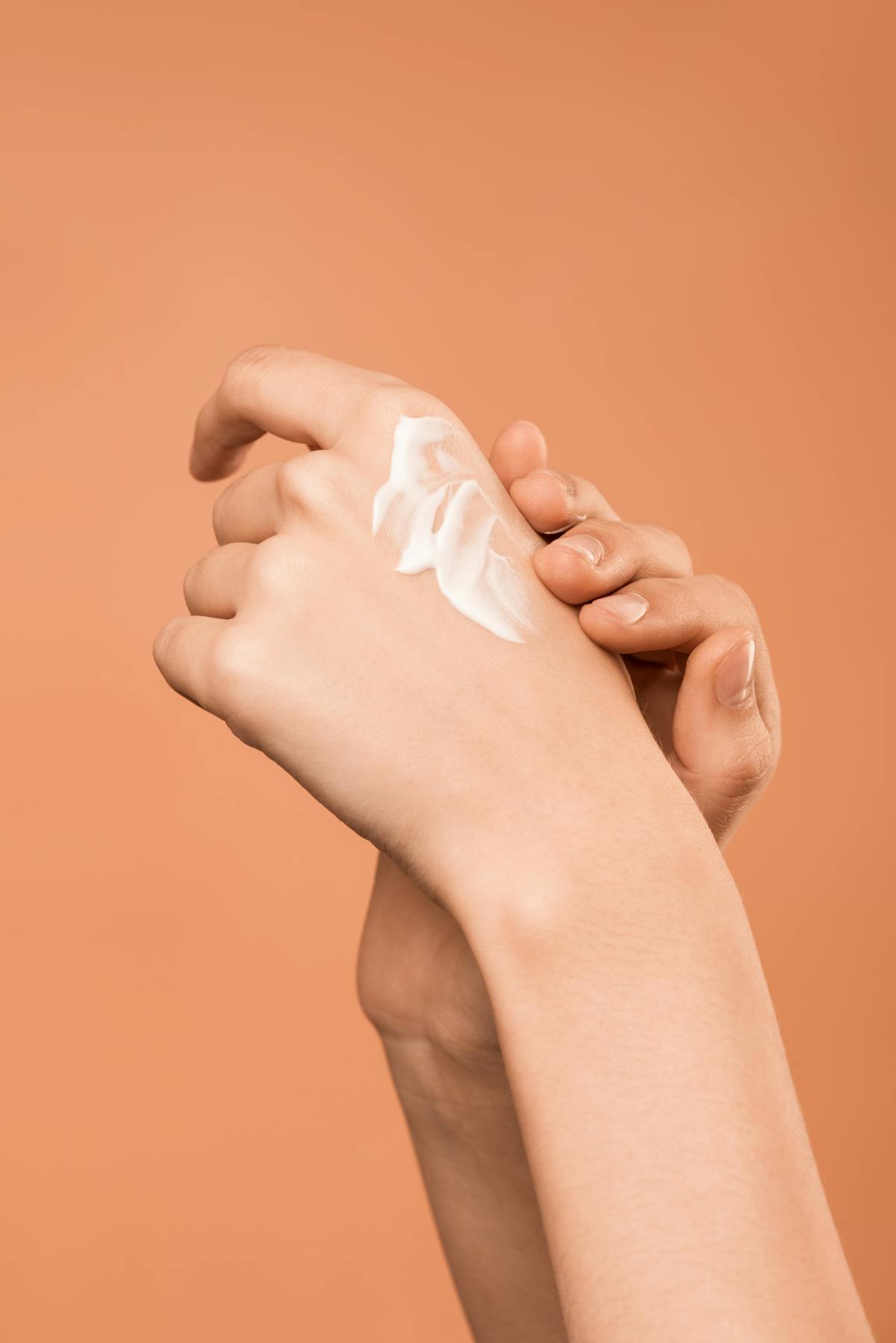
What Is GHK-Cu in Plain Language?
GHK-Cu is a tiny, natural peptide made of three amino acids (glycine, histidine, and lysine) bound to a copper ion. You can think of it as a small “signal” molecule your body makes that helps tissues repair themselves and stay structurally healthy.
As we age, our natural levels of GHK-Cu tend to drop, and researchers have noticed that adding it back in lab settings can wake up repair processes in skin, blood vessels, and other tissues. That is why it is often described as a regenerative or repair peptide rather than a stimulant or hormone.
People are interested in GHK-Cu because studies suggest it may support wound healing, help skin look firmer and smoother, and promote healthier, thicker hair—especially when used topically. It remains a research compound and cosmetic ingredient, not an FDA-approved drug for anti-aging or hair loss.
Main Uses and Potential Benefits (Research Context)
Areas With Relatively Stronger Evidence
These areas have human and animal data, plus decades of lab work:
- Skin repair and anti-aging
- Clinical studies show GHK-Cu creams can improve skin firmness, thickness, fine lines, and texture over 8–12 weeks.
- In one 3-month clinical study, a GHK-Cu formulation increased measured collagen-related density under the skin by about 28% on average.
- Trials comparing GHK-Cu to vitamin C and retinoic acid found GHK-Cu performed as well or better for collagen production and skin appearance in many participants.
- Wound healing and tissue repair
- In animal models, GHK-Cu sped up healing of open wounds and reduced destructive enzymes (MMP-2 and MMP-9) that break down tissue.
- Human wound and post-procedure studies suggest improved healing, less visible scarring, and better tissue quality with GHK-Cu–based products.
Areas With Early or Limited Evidence
These are promising but still need larger, longer human trials:
- Hair growth and scalp health
- Clinical work in androgenetic (pattern) hair loss has found that GHK-Cu can increase hair count, hair shaft thickness, and overall coverage when applied to the scalp.
- Mechanistic studies show improved scalp circulation, reduced follicle inflammation, and stimulation of hair follicle cells.
- Broader “cellular anti-aging” effects
- GHK-Cu can influence expression of thousands of genes related to repair, antioxidant defenses, and metabolism in cell models.
- It appears to lower inflammatory markers and oxidative stress, both of which are linked to tissue aging.
Speculative or Highly Experimental Areas
Some claims go well beyond current evidence:
- General “full-body anti-aging” or longevity effects.
- Muscle building and systemic performance enhancement when used injectably.
- Internal organ regeneration outside of specific wound or ischemia models.
These ideas are based heavily on lab data, small case experiences, and gene-expression findings—not on large, controlled human outcome trials. They should be treated as interesting possibilities, not proven benefits.
What Research Studies Show
Animal and Preclinical Studies
In animal and cell experiments, GHK-Cu consistently acts as a pro-repair signal:
- In rat models of difficult (ischemic) wounds, GHK-Cu accelerated healing and lowered levels of enzymes that break down collagen.
- Cell culture work shows that GHK-Cu can increase collagen and elastin production, stimulate keratinocyte (skin cell) growth, and improve extracellular matrix structure.
- GHK-Cu has also been found to modulate inflammatory pathways and NF-κB activity, which may help calm excessive inflammation during healing.
These findings support its use as a wound-healing and tissue-remodeling peptide in lab and preclinical settings. However, animal and cell studies cannot fully predict long-term safety or effectiveness in broad human populations.
Human Studies and Case Experience
Human data are strongest for skin and cosmetic applications:
- Anti-aging skin creams
- In one 12-week study, GHK-Cu applied to thigh skin improved collagen production in about 70% of women, compared with 50% with vitamin C and 40% with retinoic acid.
- Other trials reported improved skin laxity, clarity, firmness, reduced fine lines and wrinkles, and increased skin thickness with twice-daily GHK-Cu cream over 12 weeks.
- A 3-month ultrasound-based study found a 28% average increase in collagen-related echogenic density in facial skin, with the top quartile reaching 51% improvement.
- Hair growth
- Clinical and practice-based reports show better hair density, thicker strands, and improved coverage in androgenetic alopecia when GHK-Cu is applied in topical or microneedling-assisted formulations.
- Wound and post-procedure healing
- Case series and aesthetic practice reports describe better recovery after laser, chemical peels, microneedling, and surgery, with less downtime and improved scar appearance when GHK-Cu is included in aftercare.
Most of these studies are small, often industry-linked, and relatively short (weeks to a few months). They are encouraging but do not answer key questions about long-term outcomes, the best dosing, or rare adverse events.
How GHK-Cu Is Typically Taken in Research
Routes of Administration
GHK-Cu is used in a few main ways in research and cosmetic contexts:
- Topical creams, serums, and lotions (most common) applied to skin or scalp.
- Microneedling or post-procedure topicals where the product is applied after the skin barrier has been intentionally disturbed.
- Subcutaneous or intradermal injections in some regenerative or hair protocols, often in very small, localized amounts.
For injectables, common research sites include:
- The fatty tissue of the abdomen.
- The outer thigh.
- Localized areas in the scalp or face (intradermal) in cosmetic settings.
High-level safety principles (not how-to instructions):
- Rotate injection sites rather than repeatedly using the exact same spot.
- Avoid any skin that is inflamed, infected, or broken (beyond controlled medical procedures).
- Use appropriate sterile technique and professional supervision for any injectable use.
Dosing Patterns and Timing (Research Context Only)
Because GHK-Cu is often used cosmetically, dosing is usually described in terms of concentration and frequency rather than “mg per kg” like a drug.
- Topical use
- Many cosmetic formulations use low concentrations (for example, 0.1–2% copper peptide) applied once or twice daily.
- Clinical trials often used twice-daily application for 8–12 weeks to evaluate skin changes.
- Injectable or intradermal use
- When injections are used in research or practices, they are typically small doses given locally (for example, in small volumes across a treatment area) rather than large systemic doses.
- Frequency can range from weekly to monthly sessions in cosmetic protocols, but there is no universal standard.
- Cycles and breaks
- Topical products may be continued long-term, though some clinicians suggest periodic breaks or cycling with other actives to monitor skin response.
- Injectable protocols are usually limited to defined series (for example, several weeks of sessions) followed by breaks to watch for results and side effects.
- Timing during the day
- For skin care, GHK-Cu is often used in the evening (to coincide with natural nighttime repair) or twice daily, depending on the formulation.
- Scalp applications may be used morning or evening, with users choosing times that do not interfere with styling or other products.
For a structured research-dosing overview, see our separate dosing chart page for GHK-Cu.
These patterns describe how researchers and clinicians have used GHK-Cu, not what any individual should personally do.
Side Effects and Safety Considerations
Common, Mild Side Effects
Overall, GHK-Cu has a favorable safety profile, especially in topical use, but mild side effects are possible:
- Redness, itching, or irritation at the application or injection site.
- Mild dryness or sensitivity, particularly with higher concentrations or in people with reactive skin.
- Temporary breakouts or congestion in people with oily or acne-prone skin.
These effects are usually short-lived and often improve as the skin adapts or with reduced frequency or concentration.
Copper-Related Concerns and “Signature” Reactions
Because GHK-Cu contains copper, there is theoretical concern about copper overload, especially if someone uses multiple copper-containing products or injectable forms. Symptoms of copper excess could include:
- Nausea, abdominal pain, vomiting.
- Metallic taste, chills, fever.
- Chest pain, weakness, tremors, or anemia in more severe cases.
For topical use in standard cosmetic concentrations, systemic absorption appears low and copper toxicity is considered unlikely, but caution is still recommended in people with copper-handling disorders. A more “signature” minor reaction is localized skin irritation or a brief burning or tingling sensation when first applied.
Rare but Serious Risks
Serious reactions are rare but can occur, particularly with allergy or misuse:
- Severe allergic reactions with hives, swelling of the face or throat, or difficulty breathing.
- Severe rash, blistering, or open sores at the application or injection site.
- Signs of systemic copper toxicity if very high doses or multiple copper sources are used.
If any severe or rapidly worsening symptoms occur, the product should be stopped and urgent medical attention sought.
Anyone with complex medical history, multiple medications, or chronic conditions should talk with a qualified healthcare professional before considering GHK-Cu, especially in injectable or high-dose forms.
Contraindications and Who Should Be Cautious
Groups who should be particularly cautious with GHK-Cu include:
- People with copper metabolism disorders
- Conditions like Wilson’s disease or Menkes disease affect how the body handles copper; added copper from GHK-Cu may raise safety concerns.
- Known metal (copper) allergies or very sensitive skin
- These individuals are more prone to contact dermatitis, redness, and irritation, especially without patch testing.
- Pregnant or breastfeeding individuals
- There is little to no targeted safety data for GHK-Cu in pregnancy or lactation, so most experts recommend avoiding or only using under medical guidance.
- Active cancers or precancerous skin conditions
- Because GHK-Cu stimulates cell growth and remodeling, its long-term effects in people with cancers are not well understood.
Possible interactions or concerns:
- Combining GHK-Cu with multiple other copper sources (supplements, fortified products) may increase the total copper burden.
- Using GHK-Cu on top of aggressive treatments (strong acids, retinoids, or procedures) without guidance may increase irritation or unexpected skin reactions.
The evidence base is still evolving, and long-term, high-dose, or systemic use is much less studied than short-term topical cosmetics.
Site-of-Injection Issues
When GHK-Cu is used injectably in research or aesthetic settings, local reactions are similar to other peptides and injectables:
- Small bump under the skin after injection.
- Mild redness, warmth, or itching at the site.
- Short-lived soreness or tenderness.
Helpful high-level guidance:
- Rotate injection sites to avoid repeated trauma to the same area.
- Watch for signs of infection such as spreading redness, heat, pain, pus, or fever.
- Seek medical care promptly if a lump becomes very painful, very hard, or if systemic symptoms (fever, chills, feeling unwell) appear.
Any persistent, worsening, or unusual reaction at an injection site needs professional evaluation.
Cycling and Breaks
Because GHK-Cu is often used topically, some people treat it like a regular skin-care ingredient, while others prefer cycling:
- Topical cycles
- Many clinical studies ran for 8–12 weeks, suggesting at least that long is needed to see full skin effects.
- Some clinicians recommend periodic reassessment or rotating with other actives to avoid over-irritation and to monitor response.
- Injectable series
- Cosmetic practices often use defined series of treatments (for example, weekly or monthly sessions over a few months) rather than continuous injections.
- Breaks allow the provider to assess durability of results, ensure no delayed adverse reactions, and limit unknown risks from constant exposure.
There is no single standard protocol endorsed by major medical bodies, and all decisions for real patients should be made with a knowledgeable healthcare provider.
Practical “Real-World” Tips (Educational Only)
From research summaries and clinician commentary, common practical themes include:
- Start gently, especially with sensitive skin – lower concentrations and less frequent use may reduce irritation and allow the skin barrier to adapt.
- Patch test first – especially for those with known metal allergies or reactive skin, testing a small area first can reveal potential irritation.
- Combine with a simple routine – basic moisturizers and sun protection pair well; too many strong actives at once may increase sensitivity.
- Monitor for subtle changes over weeks, not days – collagen and hair changes are gradual; most studies looked at 8–12 weeks or longer.
For anyone using GHK-Cu as part of a broader health or aesthetic plan, periodic check-ins with a healthcare or dermatology professional—and, when appropriate, lab monitoring for copper status—are often recommended.
Educational Disclaimer: This article is for informational and research purposes only. Nothing here constitutes medical advice or a recommendation for use. Always consult a qualified healthcare professional before making any health decisions.

Comments
No comments yet. Be the first to share your thoughts.
Leave a Comment
Your comment will appear after review. Educational discussion only — not medical advice.